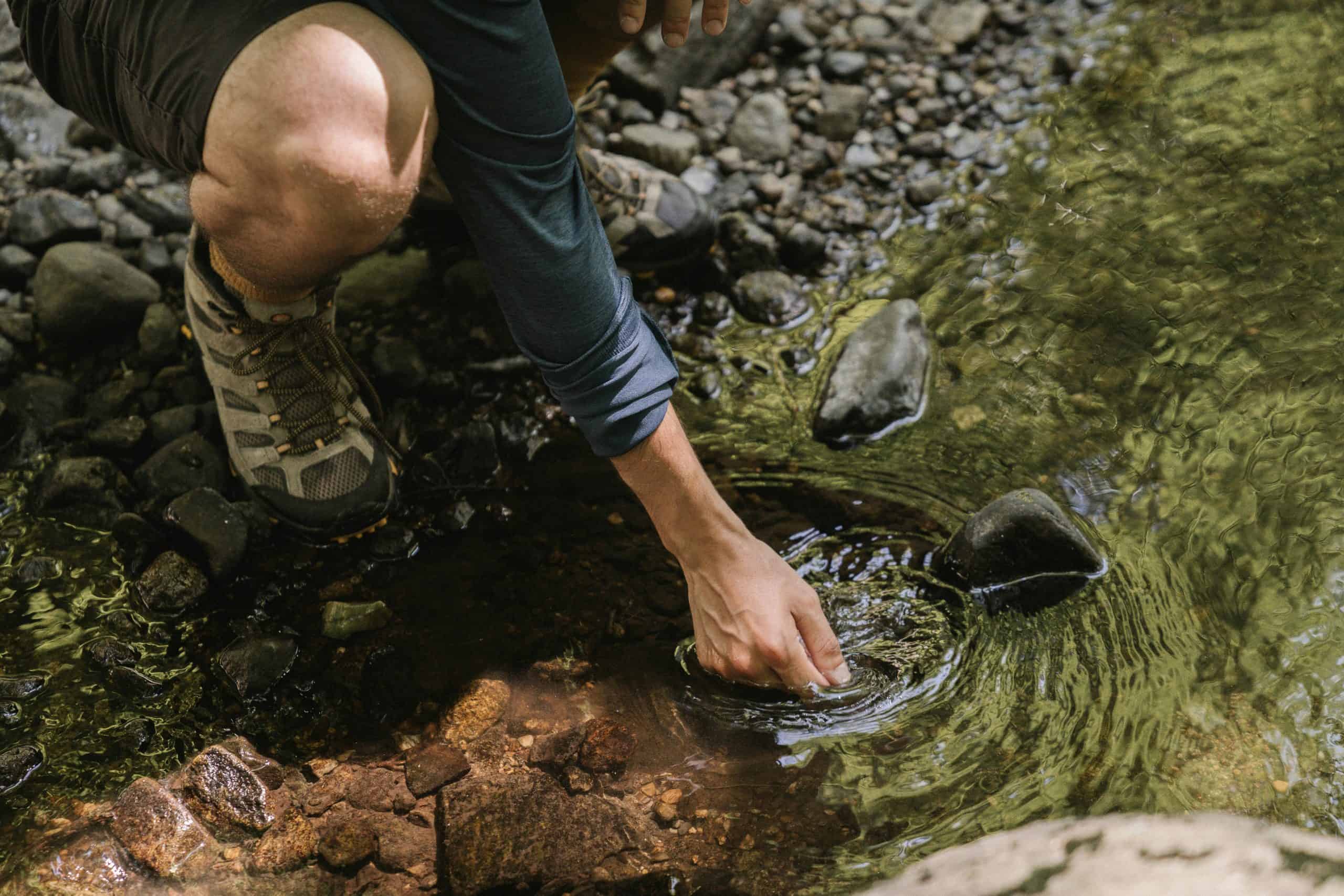
How to Purify Water in an Emergency: 5 Safe Methods
Quick answer
The safest emergency water methods are boiling, chemical disinfection, filtration, distillation, and solar disinfection. Boiling is the strongest basic method for killing germs, but it does not remove chemicals, salt, fuel, or heavy metals. Use distillation for saltwater or suspected chemical contamination, and use regular unscented bleach only when boiling is not possible.
Why emergency water planning matters
Clean water is usually the first serious problem during a blackout, storm, flood, earthquake, or grid-down event. Taps may stop working. Pumps may fail. Floodwater may contaminate wells. Stores may sell out quickly. A strong emergency water plan has three parts: stored water, backup water sources, and treatment methods.
How much water should you store?
Store at least one gallon per person per day for drinking and basic sanitation. A family of four needs 12 gallons for three days and 56 gallons for two weeks. Add more for hot weather, pregnancy, nursing mothers, illness, pets, and people with medical needs.
Method 1: Boiling water
Boiling is the best first choice when you have fuel and a safe pot. Filter cloudy water through a clean cloth, paper towel, or coffee filter first. Bring the water to a rolling boil. Boil for one minute. At high elevations, boil for three minutes. Let the water cool in a clean covered container.
Boiling is excellent for biological threats such as bacteria, viruses, and many parasites. However, boiling does not remove fuel, pesticides, heavy metals, salt, or chemical contamination. If the water smells like fuel or chemicals, do not rely on boiling.
Method 2: Chemical disinfection
Chemical disinfection is useful when you cannot boil water. Use only regular, unscented household bleach that is suitable for disinfection. Do not use scented bleach, splashless bleach, color-safe bleach, or bleach with added cleaners.
For clear water, add the correct amount of bleach, stir well, and let the water stand for at least 30 minutes. The water should have a slight chlorine smell after treatment. If it does not, repeat the dose and wait again. If water is cloudy, filter it first and use the cloudy-water instructions from an official source.
Chemical disinfection can kill many germs, but it may not work as well as boiling for certain parasites. That is why boiling should be your first choice when possible.
Method 3: Portable water filters
Portable filters are helpful for hiking, evacuation, and emergency backup. Many straw, squeeze, and gravity filters remove bacteria and protozoa. Not every filter removes viruses, chemicals, or salt. Read the filter label carefully.
For home preparedness, choose at least one portable filter and one larger gravity filter. Keep replacement parts and cleaning tools with the filter. Do not let hollow-fiber filters freeze after use because frozen water inside the fibers can damage them.
Method 4: Distillation
Distillation is useful when water contains salt, some heavy metals, or unknown dissolved solids. The idea is simple: heat water, capture the steam, and collect the condensed water in a clean container. Contaminants stay behind in the original pot.
Distillation is slower than boiling or filtering, but it is important knowledge for coastal areas, islands, or chemical contamination scenarios. Do not use unsafe plastic or improvised materials that may melt or release fumes.
Method 5: Solar disinfection
Solar disinfection can be a last-resort method when you have clear plastic bottles and strong sunlight. Fill clear PET bottles with clear water and place them in direct sun. This method depends on sunlight, bottle type, water clarity, and time. It is not the best choice for cloudy water, chemical contamination, or urgent needs.
What not to drink
Avoid floodwater, water near fuel spills, water with chemical odor, stagnant water near dead animals, and water from swimming pools unless you understand the chemical risks and have a reliable treatment plan. Saltwater should not be drunk without desalination.
Emergency water kit checklist
- Stored water in food-grade containers.
- Portable water filter.
- Gravity filter for home use.
- Regular unscented bleach.
- Clean cloth, coffee filters, or paper towels.
- Metal pot for boiling.
- Clear bottles for backup solar disinfection.
- Written treatment instructions.
Common mistakes
Do not store water in containers that held chemicals. Do not assume clear water is safe. Do not boil chemically contaminated water indoors if it may release fumes. Do not rely on one method only. Do not forget pets.
FAQ
Can boiling make any water safe?
No. Boiling kills many germs, but it does not remove chemicals, salt, fuel, or heavy metals.
Can I use bleach to disinfect water?
Yes, but only regular unscented household bleach that is suitable for disinfection. Follow official dosing instructions.
Do survival filters remove viruses?
Some do, but many common portable filters do not. Check the product label and use a purifier if viruses are a concern.
How long should emergency water be stored?
Use food-grade containers and review your supply every six months unless your container manufacturer gives different instructions.
Final recommendation
Do not depend on a single method. Store water first, then prepare at least two treatment options. For most families, the best setup is stored water, a gravity filter, a portable filter, bleach, and a way to boil water safely.